PARIS · YOUR FIRST VISIT
Is the Louvre worth it?
It depends on what you enjoy, not on how famous it is.
Ancient history, sculpture and a former royal palace can make it a highlight of Paris. Going because you feel you should can make it a tiring obligation.
01 / THE HONEST ANSWER
Let your interests decide.
WORTH IT IF…
Something inside makes you curious.
- You enjoy ancient Egypt, Greece, Rome or the Near East.
- You like sculpture, royal interiors or the stories behind objects.
- You can give a few chosen sections your time and attention.
SKIP IT IF…
You’re going out of obligation.
- You dislike museums, even when the subject interests you.
- Your time in Paris is short and other plans excite you more.
- You only want to see the Mona Lisa or say you’ve been.
“I’m not into art” doesn’t always mean “I won’t enjoy the Louvre.” If you mean paintings, there’s much more to choose from.
A FAMOUS EXPECTATION TO RESET
The Mona Lisa is the weakest reason to go.
The painting is small, behind a wall of people holding phones. Visitors commonly report getting less than a minute in front of it. If that’s your whole reason for visiting, disappointment is easy. Treat it as an optional stop, not the measure of your day.
02 / FIND YOUR REASON
The Louvre is not mostly paintings.
- For ancient history
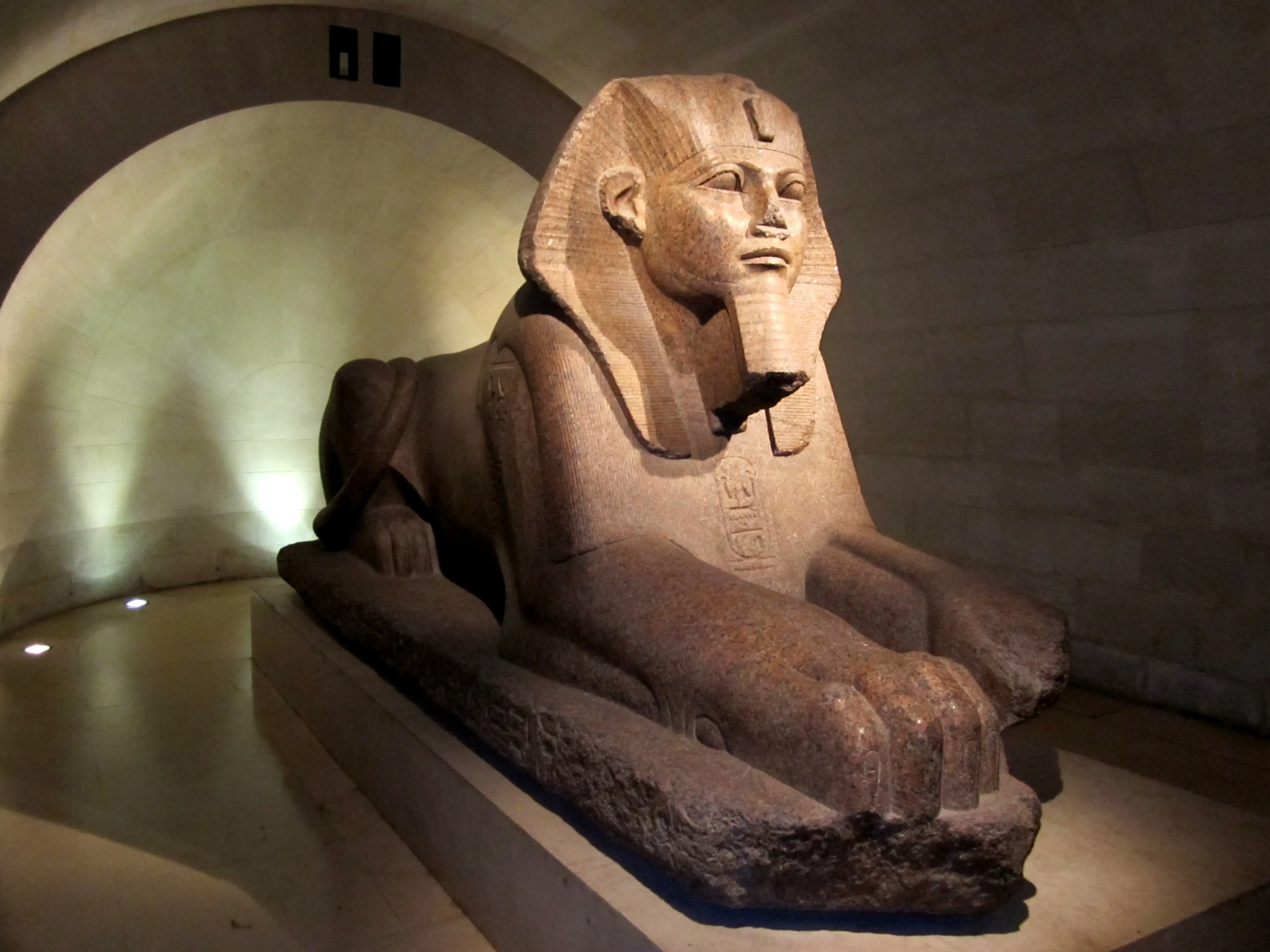
- The Code of Hammurabi puts an ancient law code in front of you. The Great Sphinx of Tanis, mummies and sarcophagi make the Egyptian collection a natural starting point.
- For sculpture
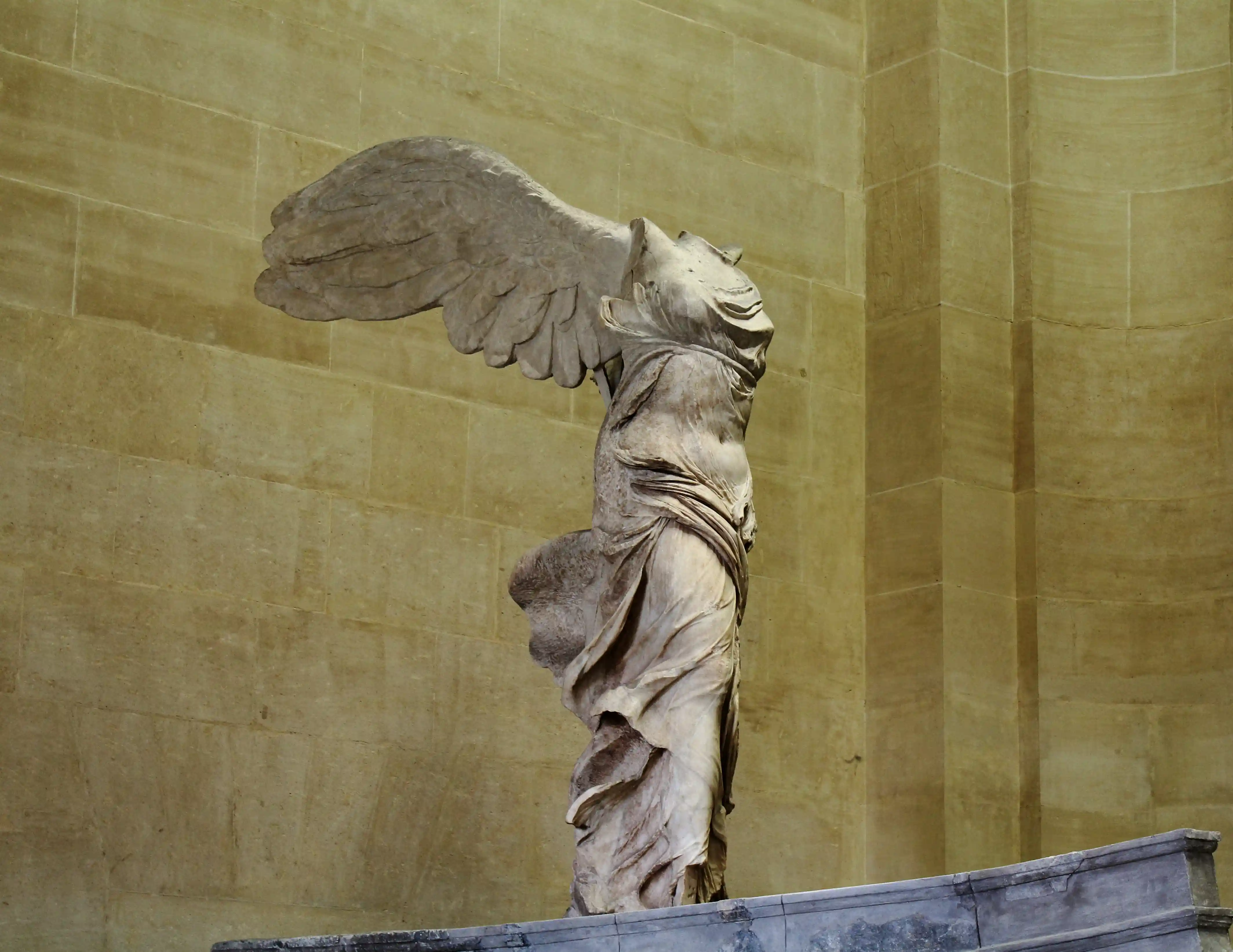
- Venus de Milo and Winged Victory of Samothrace offer the scale and presence that a photograph can’t quite convey.
- For the building itself
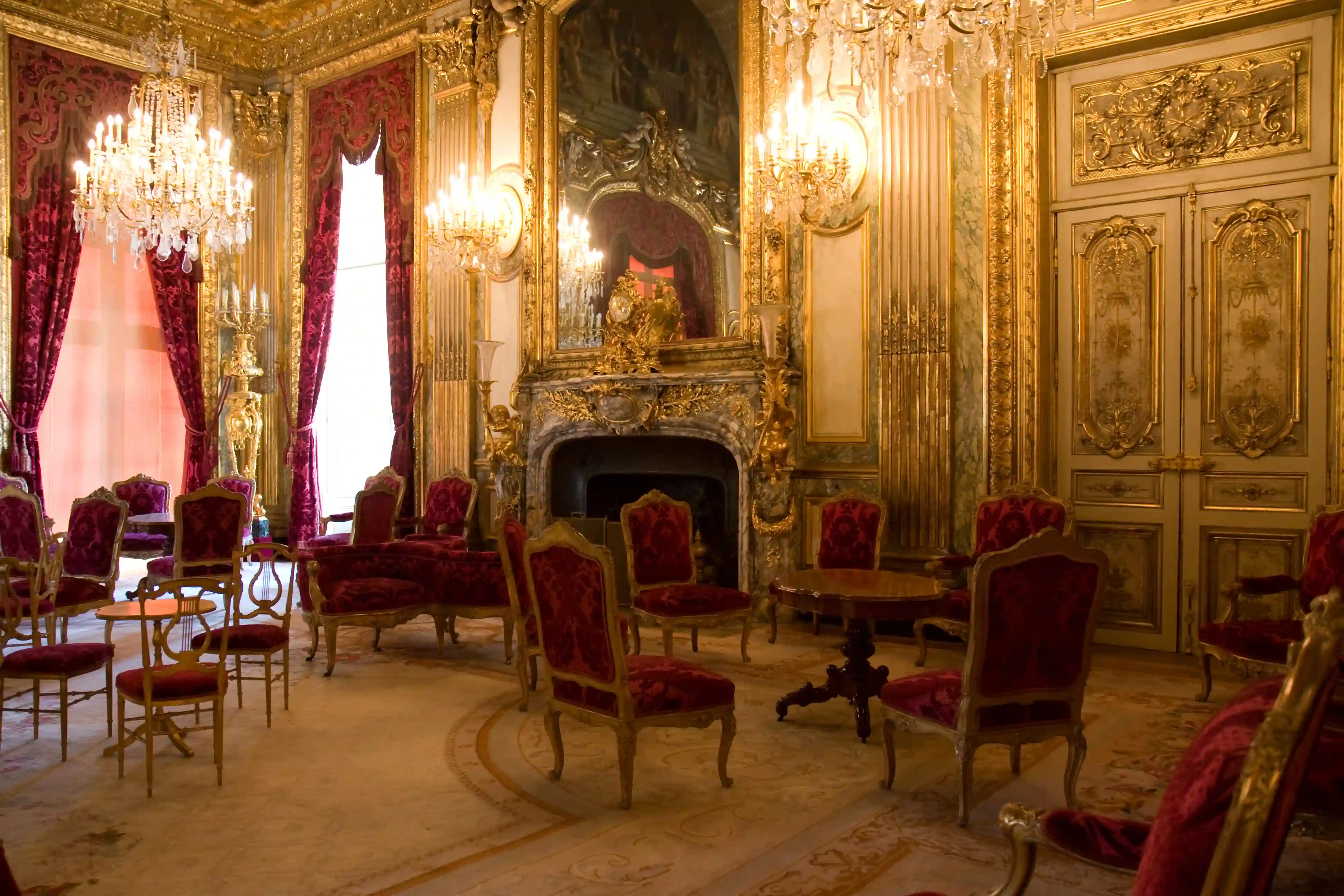
- This was a royal palace. Try Napoleon III’s apartments, the Apollo Gallery and French crown jewels, or the medieval fortress foundations beneath the museum. No interest in paintings required.
- For a painting with a story
- Delacroix’s Liberty Leading the People gives you revolution, politics and a dramatic scene to unpack. A little context makes a difference.
03 / IF YOU GO
A little preparation changes the visit.
Without context, it can feel like a maze of large paintings. Read about a few pieces, use an audio guide or take a guided tour, and the objects start to mean something.
Choose your visit before you arrive.
Pick one or two sections, or make a shortlist of about 20 pieces. Fewer is fine. Read a little about your favourites and go straight to them. Ignore the rest.
Book a timed ticket for the earliest slot.
Crowds tend to build within about two hours of opening. A late-night opening can also be quieter. Check the official booking website for current days, hours and booking options.
Use an audio guide.
WalkTeller’s Louvre audio guide brings together 12 carefully curated highlight stops, with a story at each stop and an interactive map. Listen at your own pace and pause any time.
Stop before you’re worn out.
Take a café break and leave when you’ve had enough. WalkTeller is designed to take you to the highlights you cannot miss. Seeing everything is not the goal.
DECIDED TO GO?
Find a few stories worth your time.
Follow the full self-guided tour with audio at every stop and an interactive map at your own pace.
Free trial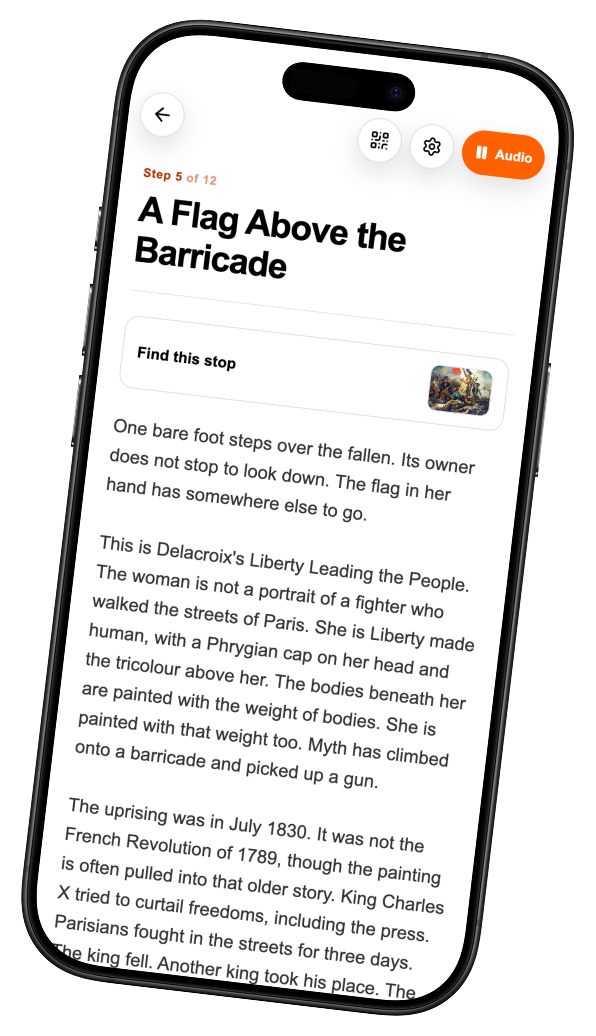
04 / IF YOU SKIP IT